Frequently Asked Questions

Everything you need to know about scalp micropigmentation
Background image
Good to know

Answers to common SMP questions

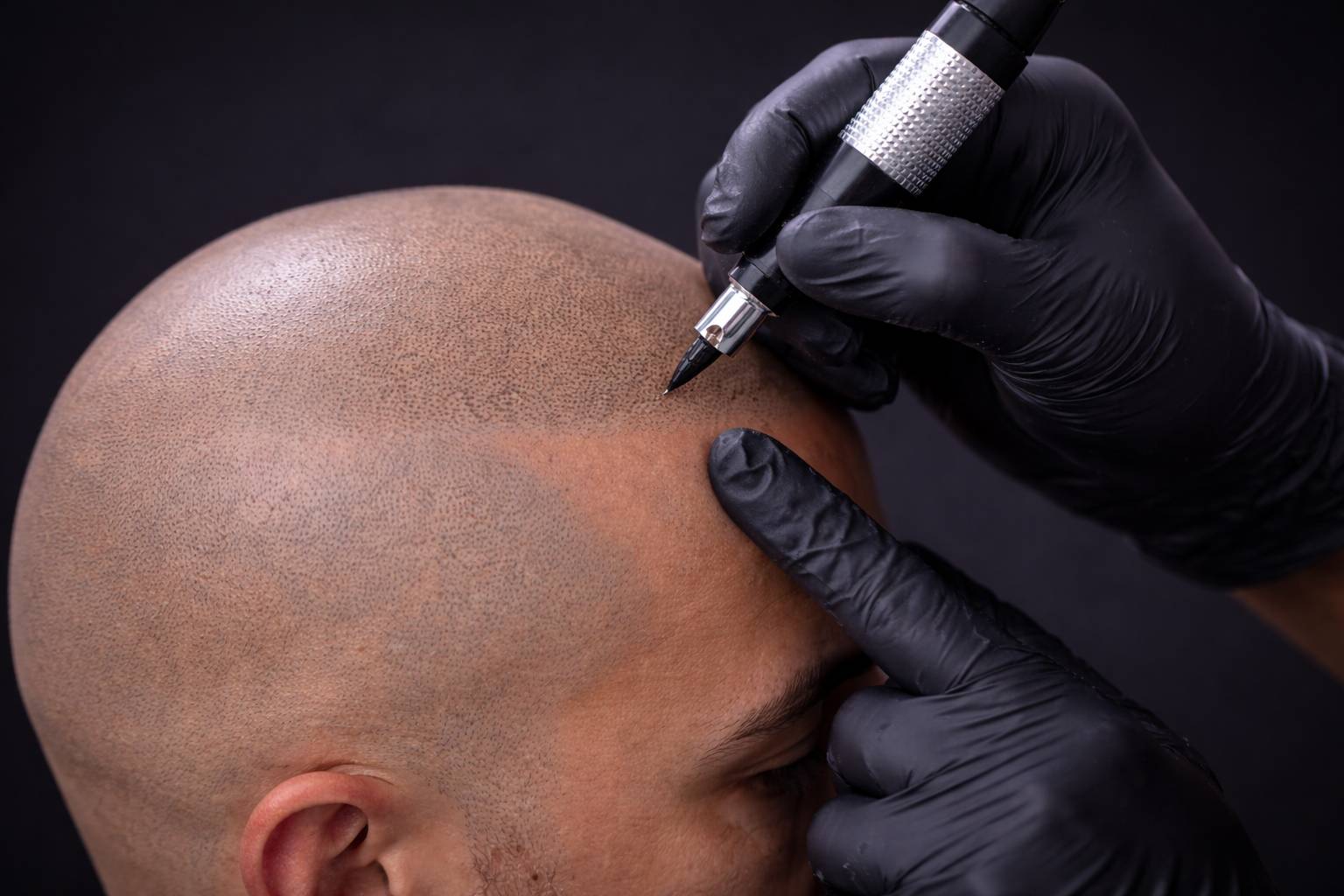
Scalp micropigmentation is a specialist treatment, and it’s normal to have questions before getting started.

Below you’ll find clear answers to the most common queries about SMP, the process, results and what to expect.

If you’d like more personalised advice, a consultation is always recommended.

Book a consultation
Is scalp micropigmentation permanent?

SMP is considered a long-lasting treatment rather than a permanent one. Pigments are designed to soften gradually over time, allowing results to age naturally. Some clients choose a refresh or top-up after several years.

Does SMP look natural?

When applied correctly, scalp micropigmentation looks very natural. Pigment is layered gradually and matched to your hair colour and skin tone to create a realistic appearance in both natural and indoor lighting.

Is scalp micropigmentation painful?

Most people describe SMP as mildly uncomfortable rather than painful. Sensation varies depending on the area being treated, but sessions are generally well tolerated and breaks can be taken if needed.

How many sessions are required?

Most treatments are completed over multiple sessions. This allows pigment to be built up gradually and adjusted once the scalp has healed, resulting in a more balanced and natural-looking finish.

Can SMP work for thinning hair?

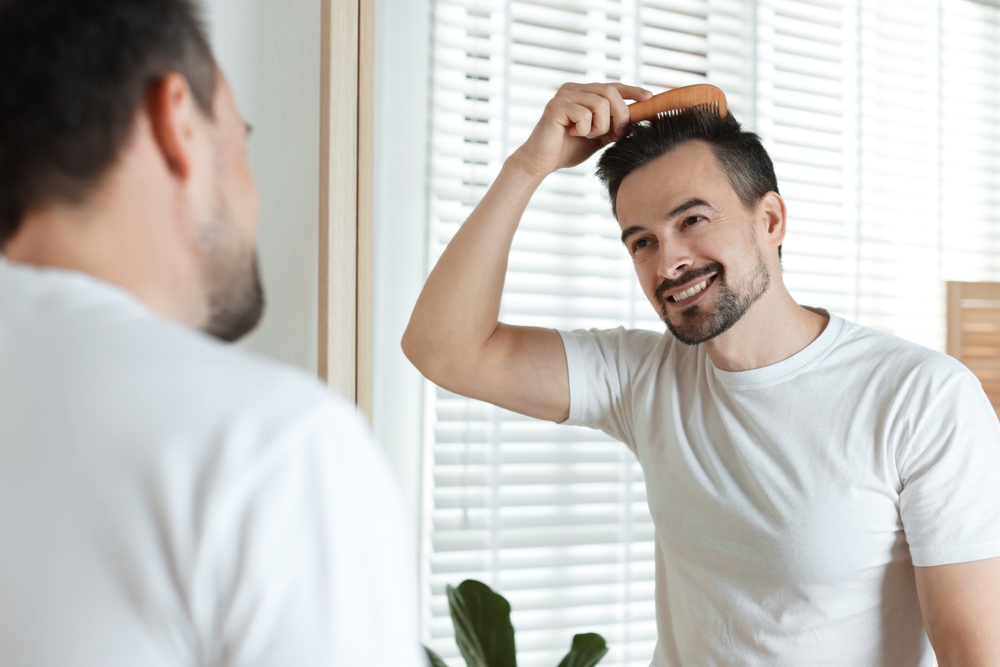
Yes. SMP is commonly used to reduce the contrast between hair and scalp in thinning areas. This creates the appearance of fuller hair without affecting existing hair growth.

Can SMP cover scars?

Scalp micropigmentation can be used to reduce the visibility of scars caused by surgery, injury or hair transplants. Results depend on scar type and skin condition, which will be discussed during consultation.

Will the pigment change colour over time?

Quality SMP pigments are designed to fade gradually rather than change colour. Proper technique and correct pigment selection help ensure results remain natural as they soften over time.

What aftercare is required?

Aftercare guidance will be provided following each session. This typically includes short-term restrictions around sweating, sun exposure and scalp products to support proper healing.

Is SMP suitable for everyone?

Most people are suitable for SMP, but individual factors such as skin condition, hair loss pattern and expectations are considered during consultation to ensure the treatment is appropriate.

How do I get started?

The first step is to book a consultation. This allows you to discuss your goals, ask questions and receive clear guidance on the best SMP approach for you.

Alt text
Get in touch today

Ready to take the next step?

Book a consultation to discuss your goals, ask questions and get clear guidance on the right SMP approach for you.